I have devoted endless hours watching reels rotate, and I can tell you that few things in online gaming deliver the same intense charge as a high volatility slot. These games are not designed for casual, low-risk fun. They are built for players who are willing to endure stretches of dry spells in exchange for the potential of a enormous, life-changing payout. Comprehending how these machines work is not just a point of curiosity; it is a real necessity if you want to manage your bankroll wisely. At Mega Fire Blaze Roulette, we watch players lean toward these titles every day, attracted by the promise of thrilling bonus rounds and multiplier chains. This article will guide you through the mechanics, the risks, the rewards, and the tactical mindset required to approach high volatility slots without letting them dictate your financial well-being.
Understanding High Volatility from Mathematical Terms
When discussing volatility in slot machines, I am talking about the risk profile encoded into the game’s mathematical model. A volatile slot utilizes a payout distribution that is extremely skewed. In simple terms, this means the game will deliver a long sequence of dead spins or tiny wins insufficient to cover your initial stake. The return-to-player, the payout rate, is always computed over millions of spins, but the route to that theoretical return is hazardous and uneven. You may spin 200 times and observe your balance decline by 70 percent before a single bonus round triggers and recovers everything all at once.
The key metric here is the hit frequency, which frequently falls below 20 percent on these slots megafireblaze.games. That means greater than eight out of ten spins, on average, will give nothing at all. This is not a design issue; it is the engine that funds the massive jackpots and 5,000x or 10,000x multipliers that are shown in the paytable. Developers employ complex variance models to guarantee that the top prizes are incredibly high while the base game remains deliberately barren. I always advise players to review the game’s information sheet, where you may find the volatility rating clearly shown, although many providers simply label it as high, medium, or low without giving the exact standard deviation.
What makes this mathematical structure so seductive is the potential for a payout distribution that defies normal expectations. In contrast to a low volatility game where you could secure a 95 percent return over an hour with minor, consistent payouts, a high volatility slot can put you deep in the red for an entire session before a single feature catapults you into profit. This binary outcome structure is what creates the adrenaline rush. Realizing that the game is built for maximum volatility helps you establish realistic expectations before you even place your first bet.
Bankroll Control as a Survival Tactic
If you handle a high variance slot with the identical stakes you would employ on a stable game, you are preparing yourself for a extremely brief session. I handle bankroll management here with a survival-oriented mindset. The objective is not to extend playtime in the traditional sense but to ensure you have sufficient resources to survive the certain downturns and still be standing when the bonus round finally lands. A typical guideline I use is to have at least 200 to 300 times my base bet ready before I even consider sitting down at a high variance game.
Let me provide you with a practical illustration. If you are playing a game with a lowest stake of 0.20 credits, that seems innocent. But if you are wagering at 1.00 credit per round, a budget of 100 credits offers you only 100 spins. In a game with a hit frequency of 18 percent and a feature frequency of once every 250 spins on average, you could easily deplete your whole bankroll without triggering a single bonus. I recommend a minimal session budget of 300 units for any high volatility session, and even that amount can evaporate rapidly. Adjusting your bet size to a lower amount to extend your spin count is often the gap between hitting the big win and losing everything before it comes.
Stop-loss limits are not a suggestion in this scenario; they are a crucial tool. I establish a firm cutoff before I commence, typically 50 percent of my assigned budget. If I hit that threshold, I leave, no exclusions. The discipline to acknowledge a loss and return another day avoids the frantic attempt that high volatility games can cause. Similarly, I establish a winning objective. If a bonus round doubles or triples my opening funds, I set aside a significant portion of those profits instantly. Greed is the fastest way to give back a rare, well-deserved jackpot to the machine that just paid you.
Bonus Mechanics That Amplify Variance
Modern slot design has introduced a selection of reward features that drive variance to intense heights, and I intend to explain to you the most significant ones. The initial is the concept of continuous or building features. In some games, you collect tokens or fill a meter over hundreds or even thousands of spins. The meter stays the same between sessions, which builds a compelling commitment dynamic. The final payout when the meter fills can be tremendous, but the process to get there is a long grind of under-average returns. This mechanic essentially traps you in a long-term volatility curve that covers multiple sessions.
Another powerful mechanic is the gamble feature integrated directly into the bonus round. Before your complimentary spins commence, you could be presented with a wheel gamble or a card gamble to gain extra spins or a higher starting multiplier. Losing the gamble can diminish your bonus to a small, unsatisfying payout, while winning can set up a enormous result. I view these gamble alternatives with significant wariness. The statistical expected value might be equal or even slightly positive in some uncommon cases, but the real-world outcome is a sharp rise in the variance of an already volatile feature.
Additionally, there are the “hold and win” re-spin mechanics with jackpot coins. These features commonly lock symbols in place and award three respins that reset each time a fresh symbol lands. The prizes on the symbols vary from small instant values to massive fixed jackpots. The mechanic is designed to tempt you with one or two jackpot symbols landing early, creating a near-miss tension that is nearly unbearable. Packing the entire grid with locked symbols unlocks the grand jackpot, but the likelihood of doing so is incredibly small. These mechanics center the game’s entire payout potential into a single, dramatic feature that can define your entire month of play.

- Growing multiplier free spins with no upper limit create the potential of a single spin paying thousands of times your stake.
- Persistent meter collections that span multiple sessions tie you into a long-term variance engagement.
- Bonus buy options listed above 100x your stake suggest an very rare but potentially explosive organic trigger rate.
- Gamble features within bonus rounds can double your free spins or slash them to nothing, intensifying an already volatile outcome.
- Hold and win jackpot mechanics centralize payout potential into a single grid-filling event with extremely low probability.
The Emotional Appeal of the Jackpot Hunt
I have noticed that high volatility slots tap into a very specific behavioral reward structure. The intermittent reinforcement schedule they implement is one of the most powerful conditioning mechanisms known in behavioral psychology. When a reward is given unpredictably and infrequently, the brain’s dopamine response becomes heightened during the anticipation phase. You are not merely playing for the win; you are playing for the mounting tension that leads up to it. This is why a bonus buy feature, where you pay a lump sum to jump directly into free spins, can feel so tempting yet so dangerous.
The near-miss effect is magnified significantly in these games. Because the reels are configured to stop just short of a massive symbol combination with alarming frequency, your brain processes that close call as a sign that a win is approaching. It is not. The random number generator has no memory, and each spin is an independent event. I have seen rational players chase a bonus round for hundreds of spins because they felt it was “due,” only to exhaust their entire session budget. Identifying this cognitive trap is the first step toward maintaining control.
Another psychological layer is the social proof generated by massive win screenshots shared in forums and on streaming platforms. When you see a player land a 15,000x multiplier on a high volatility slot, it creates a vivid, vivid mental image that warps your perception of probability. You remember the jackpot, not the thousands of losing sessions that funded it. I always remind myself that for every posted screenshot of a massive win, there are countless untold stories of deposits lost without ceremony. Maintaining this viewpoint grounded is essential for a healthy relationship with high variance gaming.
Identifying High Variance Games by Their Characteristics
You do not always require a volatility rating label to detect a high variance slot. I seek specific structural clues in the game’s design that reveal its risk pattern. The first and most obvious indicator is the maximum win possibility. When a game showcases a top prize of 20,000x, 30,000x, or even 50,000x your stake, that funds has to come from somewhere. It comes from the suppressed payments in the base game. A paytable that reveals enormous differences between the low-paying symbol clusters and the premium symbol five-of-a-kind wins is another telltale sign.
The bonus feature systems are particularly insightful. Games that present a progressive multiplier during free spins, where each winning cascade increases a multiplier with no upper boundary, are almost always high volatility. Imagine mechanics where you gather scatter symbols to advance tiers or unlock additional rows. These layered, multi-stage bonus rounds gather the game’s payout possibility into a single, rare incident. When I notice a slot with a “bonus buy” option priced at 100x or 150x the base bet, I know immediately that the organic trigger rate is very low, and the feature itself is capable of delivering extreme results, including a complete deficit on the bonus purchase.
Pay attention to the symbol layout on the reels. High volatility slots often include stacked premium symbols that can cover entire reels during a bonus but appear only in fragmented, teasing clusters during normal play. The inclusion of a “double chance” ante bet mechanic, where you wager an additional percentage per spin to raise the scatter hit rate, is a direct acknowledgment from the developer that the base game hit rate is punishingly low. These design options are not hidden; they are proudly shown because they draw directly to players who hunger for that high-risk, high-reward system.
Contrasting High Volatility Slots with Other Casino Games
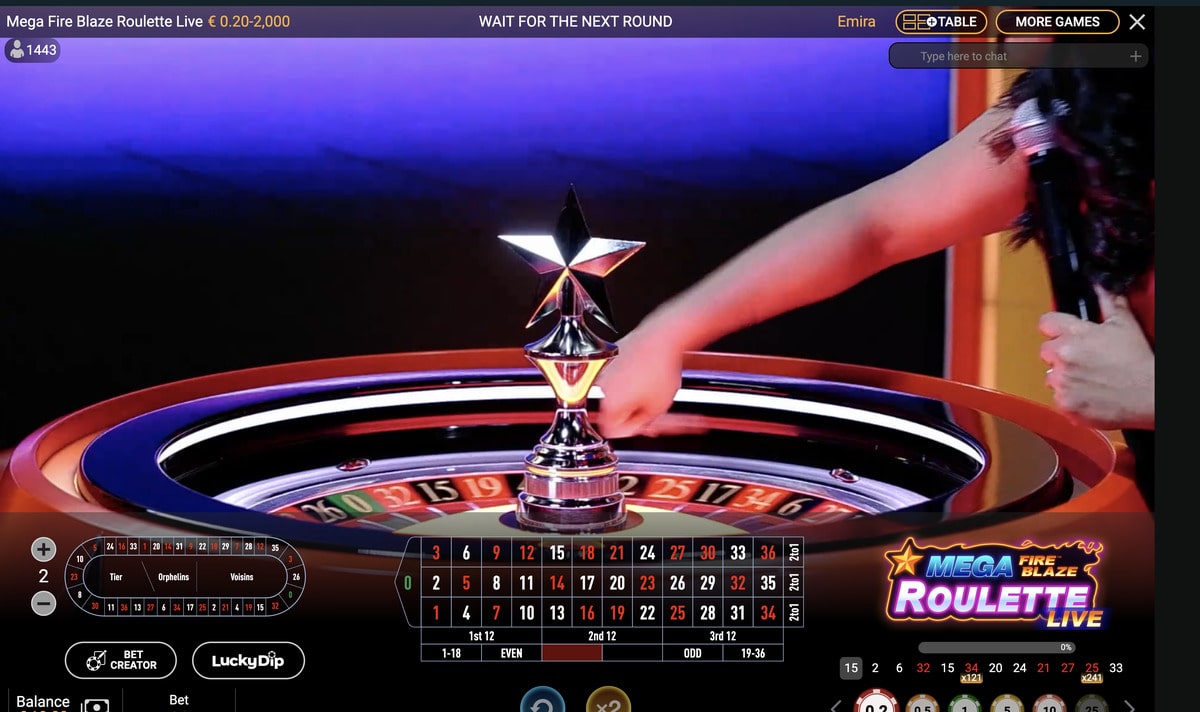
I deem it useful to place high volatility slots in the broader context of casino gaming to explain what renders distinctive. At Mega Fire Blaze Roulette, our platform features a complete spectrum of games, and the contrast between a high variance slot and a game of live roulette is instructive. In European roulette, the house edge is a stable 2.7 percent on the majority of bets, and the outcomes follow a normal distribution over time. A straight-up bet on a lone number pays 35 to 1 and hits about once every 37 spins. The variance is there, but the mathematical boundaries are obvious and unchanging.

High volatility slots operate in a distinct universe of variance entirely. The house edge is built into a sophisticated mathematical model where the RTP is achieved only over millions of spins, and the distribution of returns is path-dependent on bonus feature triggers. A lone bonus round can pay from 5x to 10,000x your stake, and that range is what generates the wild swings. Even within the category of table games, no standard blackjack or baccarat side bet replicates the variance profile of a contemporary high volatility slot. The nearest analog might be a multi-leg accumulator sports bet, where a small stake can yield a five-figure return, but even that analogy falls short because slot outcomes are produced instantly and repeatedly.
This differentiation matters for actual bankroll allocation. When I take a seat at a live blackjack table, I anticipate a relatively steady session where sound basic strategy holds my losses in check and my wins small. When I launch a high volatility slot, I foresee a thrill ride. I assign a smaller portion of my total entertainment budget to these games exactly because the risk of ruin is so much more significant. Comprehending where high volatility slots fall on the larger risk spectrum helps you build a balanced approach to your general gaming activity on the gaming platform.
Adding High Volatility Play into a Structured Gaming Routine
I do not believe high volatility slots should dominate your entire session. They work best as a tactical component within a broad approach to online gaming. At Mega Fire Blaze Roulette, the game lobby is organized to give you easy access to live dealer tables, instant win games, and a wide range of slot volatility profiles. I often start a session with a stable, lower variance game to establish a baseline and protect my bankroll. A few rounds of live roulette or a medium volatility slot with a high hit frequency can generate the small wins that fund a calculated shot at a high variance title.
The platform supports this kind of flexible play with payment methods that process deposits instantly and withdrawals within typical industry timeframes of 24 to 72 hours for e-wallets. This means you can fund a session, move between game types seamlessly, and cash out your winnings without friction. I appreciate that the site is built on a mobile-responsive framework, so the full game library, including the most demanding high volatility slots with complex animations, runs smoothly on a smartphone browser. There is no need to download a dedicated app; the experience is consistent across devices, which matters when you want to manage a session carefully on the go.
Certification and security are the foundation that makes any discussion of volatility relevant. The platform operates under a recognized regulatory framework that enforces independent auditing of random number generators and game fairness. When I discuss about hit frequencies and RTP percentages, I am addressing games that have been verified to operate as advertised. This is not a hypothetical exercise; it is a tangible reality enforced by regular compliance checks. The encryption protocols protecting your financial transactions and personal data are industry standard, which means you can focus on the strategic decisions around volatility without fretting about the integrity of the platform itself.
What genuinely distinguishes this experience apart is the selected balance between high-octane slot action and the earthy appeal of live dealer games. You are not restricted into a single mode of play. You can go after a 10,000x multiplier on a feature-rich slot, then transition to a live roulette table and apply a completely different risk calculus. This adaptability is, in my view, the most beneficial way to interact with high volatility gaming. It keeps the experience fresh and prevents the tunnel vision that can lead to pursuing losses on a single unforgiving title.
High volatility slots are not a mystery once you understand the mathematical and psychological factors at work. They are meticulously designed entertainment products designed to offer uncommon, thrilling highs in exchange for extended periods of loss. Approaching them through a solid bankroll strategy, a strong grasp of the bonus mechanics that drive their variance, and a commitment to organized session management converts them from a financial hazard into a genuinely thrilling component of a broader gaming routine. The key takeaway I want to pass you with is this: the games will always be there, but your bankroll will not be unless you protect it. Set your limits, understand what you are playing, and never let the quest for a life-changing multiplier override the fundamental truth that every spin is a separate, independent roll of the digital dice.
Leave a Reply